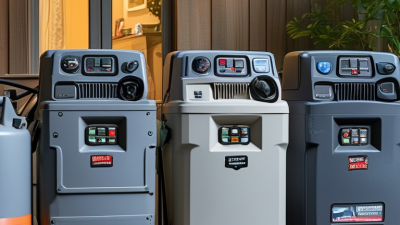
How to Choose a Sump Pump With Battery Backup in 2026?
Choosing a sump pump with battery backup in 2026 is less about buying the biggest motor. It is about matching equipment to your basement’s real risks. A finished basement, a shallow pit, heavy clay soil, and frequent outages each change the decision. So does the pump’s discharge distance.
Larry Janesky, founder of Basement Systems and a recognized basement-waterproofing authority, has often emphasized, “Water is the enemy of your basement.” That warning feels practical when rainwater rises around a silent pit, or when a storm cuts power at 2 a.m. A sump pump with battery backup can keep removing water during those vulnerable hours. However, backup protection is not automatic. The battery type, charging system, alarm, pump capacity, and installation quality all matter.
This guide examines those details for homeowners planning a 2026 purchase. It compares primary pumps, combination systems, battery technologies, and smart monitoring features. It also considers maintenance, replacement costs, warranty coverage, and local weather patterns. A pump rated for impressive gallons per hour may perform poorly against a long, narrow discharge line. That detail is easy to miss.
There is no perfect system for every house. Even experienced installers can misjudge unusual groundwater pressure. That possibility deserves honest attention. Before choosing, inspect the sump pit, test the existing discharge route, and calculate how long outages usually last. The right sump pump with battery backup should provide dependable protection, not simply a reassuring label on a box.
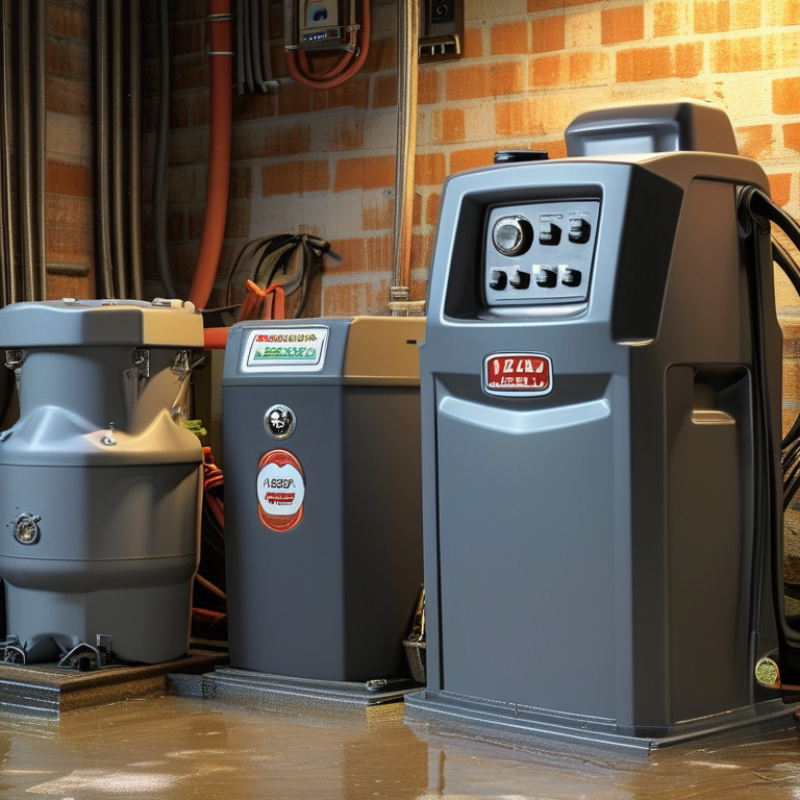
What a Battery Backup Sump Pump Does and Why It Matters in 2026
How to Choose a Sump Pump With Battery Backup in 2026?
A battery backup sump pump is a second line of defense when the main pump stops. It activates when the primary pump loses power, fails, or cannot remove incoming water fast enough. A float switch detects the rising level. The controller then draws energy from a battery and sends water through a separate discharge line. That small delay can protect stored furniture, electrical equipment, and finished walls.
The need is practical, not theoretical. NOAA’s 2024 Billion-Dollar Disasters report recorded 27 U.S. weather and climate events, causing about $182.7 billion in damage. FEMA also notes that one inch of indoor water can create roughly $25,000 in property damage. These figures do not predict every basement flood. They show the cost of underestimating water. Choose a system by gallons per hour at your actual lift height, not by the largest number on the box. Check battery runtime, alarm functions, automatic testing, and discharge capacity. A backup is not magic. Poor plumbing or a dead battery can still defeat it.
Tips:
Test the pump every few months by lifting the float. Inspect terminals for corrosion. Keep the battery ventilated and replace it according to its measured condition, not only its calendar age. Professional guidance from the U.S. Department of Energy supports regular maintenance for emergency backup systems, yet many owners forget the test. I would not trust a silent alarm. A visible warning light is easier to notice during a storm.
How to Assess Your Basement’s Pumping and Backup Power Needs
Choosing a sump pump with battery backup starts with measuring your basement’s real water problem. Do not rely on the pit’s size alone. During heavy rain, observe how quickly water enters the basin. Mark the water level every five minutes. This simple test reveals whether groundwater rises steadily or arrives suddenly through cracks and drains. Record the pump’s discharge height, pipe length, and number of bends. These details reduce the pump’s actual flow rate.
Measure your backup needs separately. A short outage may require several hours of protection, while storms can interrupt power overnight. Estimate the pump’s running watts and starting surge. Then choose a deep-cycle battery with enough usable capacity for the expected runtime. A battery alarm, sealed connections, and a separate backup pump add practical protection.
Test the system during a controlled power outage. It should start automatically, move water outside, and trigger an alert.
Many homeowners choose a pump by advertised gallons per hour. That number can mislead when the discharge pipe climbs several feet. A contractor or qualified technician can calculate total dynamic head and confirm the required capacity. I have seen otherwise careful plans ignore a frozen or blocked outdoor discharge line. That weakness matters. Inspect the outlet, check the check valve, and clean the pit before storm season. Keep a written test log, even if the system seems reliable. Batteries age quietly, and a monthly test may expose a failing charger, weak float switch, or insufficient runtime.
Which Sump Pump Features and Battery Types Should You Compare
Choosing a sump pump with battery backup starts with the basement, not the product label. Measure the discharge pipe, vertical lift, and distance to the outlet. A pump rated for high flow may move far less water at eight feet of lift. Check the float switch, impeller, and check valve for reliable operation. The backup system should include a clear alarm, sealed connections, and an automatic transfer function during power loss.
Battery type deserves close comparison. AGM batteries are widely available, sealed, and reasonably affordable. They can perform well in damp utility areas, but they are heavy and may need replacement every few years. Lithium-ion batteries offer lower weight, longer service life, and steadier voltage. However, they usually cost more and require a compatible charger. Do not assume a larger amp-hour rating always means better protection. Charger efficiency, pump wattage, and outage length change the real runtime.
I once judged a backup system by its advertised runtime alone. That was a mistake. The pump cycled more often during heavy rain, cutting runtime sharply. Test the system with a bucket of water, then test it again after several months. Listen for grinding, inspect corrosion, and confirm the alarm can be heard upstairs. A maintenance log helps, although many homeowners stop updating it. Choose a deep-cycle battery designed for repeated discharge, rather than a standard starting battery. Keep ventilation and manufacturer charging requirements in mind.
How to Evaluate Installation, Maintenance, Safety, and Reliability
Choosing a sump pump with battery backup in 2026 starts with risk, not horsepower. NOAA’s National Centers for Environmental Information recorded 27 U.S. billion-dollar weather disasters in 2024. Floodwater can arrive during a blackout, when the primary pump is useless. Check pumping capacity at the actual discharge height. A pump rated at the outlet may move far less water upstairs. Select a backup with an independent float switch, alarm, and check valve. It should fit the pit without blocking the main pump.
Installation details decide reliability. Use a properly grounded circuit with GFCI protection, secure discharge piping, and a sealed battery enclosure where required. Lead-acid batteries need ventilation. Never place them beside heaters or ignition sources. NFPA reported 374,300 U.S. home structure fires in 2022, so electrical connections deserve serious attention. A licensed electrician should verify the circuit, especially in older basements. This is not a convenient place for guesswork.
Maintenance is simple, but often neglected. Test both pumps monthly by lifting each float switch. Pour water into the pit and watch the discharge outside. Clean the intake screen, inspect the check valve, and confirm the alarm works. Measure battery condition when the system supports it, rather than trusting a green indicator. Battery life varies with temperature, cycling, and chemistry. Replace it according to measured performance and the manufacturer’s service guidance. I still prefer a manual test before heavy rain. It feels repetitive. That is the point. No backup system is reliable if its float is stuck, its pipe is frozen, or its battery has quietly failed.
How to Choose a Sump Pump With Battery Backup in 2026?
Use this neutral decision-weighting model to compare installation, maintenance, safety, and reliability before purchasing a battery-backup sump pump. The percentages reflect practical risk priorities rather than company or brand performance.
Key takeaway: Reliability and safety should receive the greatest attention because a backup pump is designed to protect the basement during power outages, heavy rain, or primary-pump failure. Installation and maintenance remain important for ensuring dependable operation over time.
How to Choose the Best Backup Sump Pump for Your Budget and Home
Choosing the best backup sump pump starts with your basement, not the product box. Measure the pit diameter, discharge height, and pipe length. A pump that looks powerful may lose flow through a tall discharge line.
For a smaller home with occasional seepage, a basic battery backup may fit a modest budget. Choose a model with a tested alarm, automatic switching, and enough capacity for several hours. Heavy rain changes the calculation. If groundwater rises quickly, select stronger pumping capacity and a larger battery. Check the rated flow at your actual discharge height. That number matters more than the maximum rating.
Battery choice deserves attention. A deep-cycle battery usually handles repeated backup cycles better than a standard automotive battery. Keep it in a ventilated, protected case, away from standing water. Test the system every few months by lifting the float switch. Listen for unusual grinding. Inspect the check valve, wiring, and alarm. Small faults become expensive during storms.
Installation quality affects performance. The backup discharge line should not create a path for water to return into the pit. Some homes need a separate discharge route, which can raise the budget. I would leave room for a replacement battery and professional inspection. The cheapest setup may become costly after one failed night. No sizing rule is perfect. Seasonal testing, local rainfall, and basement construction still deserve honest reconsideration.
Related Posts
-
Essential Tips for Choosing a Sump Pump with Battery Backup?
-
How to Choose the Best Sump Pump with Battery Backup for Your Home
-
Top 5 Sump Pumps with Battery Backup for Ultimate Protection?
-
2025 Top Basement Sewage Pumps: What to Consider for Your Home
-
Top Tips for Choosing the Best Basement Drainage System?
-
2026 How to Choose the Right Sump Pump Check Valve for Your Home?