2026 Top Basement Waterproofing Products for Global Buyers

Basement waterproofing products are becoming essential as heavier rainfall, rising urban density, and aging foundations increase global water-intrusion risks. Buyers now compare more than price. They examine hydrostatic pressure ratings, substrate compatibility, installation conditions, service life, and documented testing.

Industry projections support this growing attention. Grand View Research’s Waterproofing Market Size, Share & Trends Analysis Report identifies construction activity and infrastructure renewal as major market drivers. Fortune Business Insights’ waterproofing market research also highlights demand for durable membranes, protective coatings, and drainage systems. However, forecasts differ by region, product category, and reporting method. That matters.

A reliable 2026 purchasing guide must therefore separate verified performance from attractive packaging. Exterior sheet membranes, liquid-applied coatings, bentonite panels, polyurethane injection resins, drainage boards, sump pumps, and vapor barriers each solve different moisture problems. A product that works on poured concrete may fail on cracked masonry. Small details matter, such as a damp wall corner, a blocked drain outlet, or a cold joint beside the footing.

The U.S. Department of Energy emphasizes moisture control as part of durable, energy-efficient building envelopes. ASTM and EN test methods can help buyers compare adhesion, water penetration, and dimensional stability. Yet certification is not a complete guarantee. Installation quality remains decisive.

This 2026 overview evaluates leading basement waterproofing products for global buyers through performance evidence, application fit, logistics, technical support, and compliance documentation. The ranking is practical, not absolute. Local climate and construction methods can change the result. That is worth remembering.
2026 Top Basement Waterproofing Products for Global Buyers

What Basement Waterproofing Products Are and Why They Matter in 2026

2026 Top Basement Waterproofing Products for Global Buyers

What Basement Waterproofing Products Are and Why They Matter in 2026

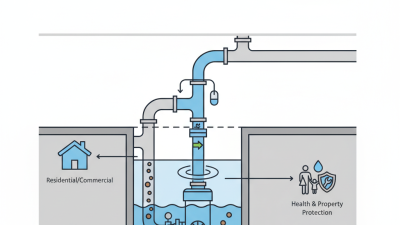
Basement waterproofing products control water entry, pressure, and indoor moisture. Common options include exterior membranes, drainage boards, sump pumps, crack-injection materials, and vapor barriers. Each solves a different failure point. A flexible membrane may protect foundation walls, while a pump removes water collected beneath the floor. Sealants alone rarely solve structural drainage problems.

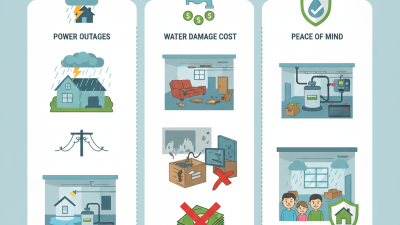
The need is practical, not cosmetic. FEMA reports that one inch of floodwater can cause about $25,000 in damage in a typical home. The World Health Organization also links damp buildings with respiratory symptoms and mould exposure. EPA moisture-control guidance identifies water management as a core part of healthier building design. For global buyers, climate, soil, foundation type, and local installation practices matter more than product popularity. A solution designed for sandy soil may perform poorly in heavy clay. No product is perfect. Even a strong system can fail when discharge pipes freeze or maintenance is ignored.

Tips: Check water pressure, wall cracks, and drainage routes before purchasing. Request test data for temperature, adhesion, and chemical resistance. Prefer systems with clear installation limits and documented service procedures. Keep records of pump testing and inspect them after severe storms. This step is often neglected, including by experienced property owners.

Main Types of Basement Waterproofing Products for Global Markets

Basement waterproofing products vary by structure, climate, and construction stage. Cementitious coatings suit concrete walls with stable surfaces and moderate moisture pressure. They brush on easily and bond well to mineral substrates. However, they may crack when walls move. Flexible liquid membranes handle small movements better and form a continuous barrier around corners and pipe penetrations.

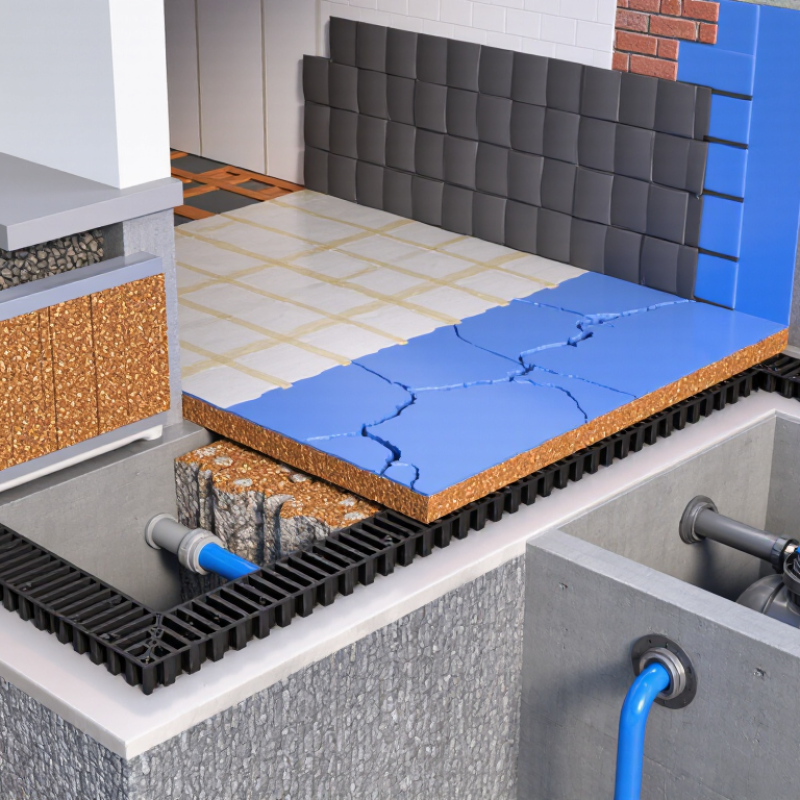
Sheet membranes provide consistent thickness and strong protection for new construction. Their seams require careful overlapping and sealing. Bentonite panels use swelling clay to block water around below-grade walls, but they need confined soil pressure to perform correctly. Drainage boards do not replace waterproofing; they guide water toward a drain system and protect membranes from backfill damage. Injection resins can repair active leaks through cracks, although they are usually a repair method, not a complete waterproofing system.

In site inspections, I check wall moisture, crack width, soil conditions, and local temperature ranges before recommending products. Export buyers should request technical data, installation instructions, batch information, and independent test results. Compatibility matters, especially between primers, membranes, adhesives, and drainage layers. A low-cost coating can become expensive after peeling or repeated repairs. I have seen projects fail because installers ignored corner detailing. That mistake deserves attention. Product selection should also consider local building rules, transport conditions, storage temperatures, and available installer skills. Perform a small adhesion test before full application. Test early.

2026 Top Basement Waterproofing Products for Global Buyers - Main Types of Basement Waterproofing Products for Global Markets

Product Type Primary Waterproofing Mechanism Typical Application Area Common Base Material Typical Thickness or Coverage Main Advantages Key Limitations Typical Global Buyer Profile
Cementitious Waterproof Coating Forms a dense mineral barrier on concrete and masonry surfaces. Interior walls, floors, foundations, water tanks, and concrete repair zones. Cement, graded mineral fillers, and polymer modifiers. Commonly applied in two coats; approximately 1–2 mm total dry-film thickness, subject to the product specification. Low equipment requirement, compatible with mineral substrates, and suitable for damp concrete. Rigid formulations may crack when the substrate moves; surface preparation is essential. Residential contractors, renovation companies, and distributors in masonry-dominated markets.
Crystalline Waterproofing Treatment Reactive chemicals form insoluble crystals within capillaries and fine cracks in cementitious concrete. Concrete foundations, basement slabs, construction joints, and below-grade structures. Cementitious binder with proprietary reactive chemicals and mineral fillers. Usually applied as a slurry or dry-shake treatment; coverage varies by substrate and application method. Becomes integrated with concrete, can reduce capillary water movement, and is useful for new construction. Requires cement-based substrates and correct curing; it is not a substitute for structural crack repair. Precast manufacturers, infrastructure contractors, and below-grade construction specialists.
Liquid-Applied Polyurethane Membrane Cures into a continuous, elastic membrane that bridges minor surface irregularities. Exterior foundation walls, retaining walls, podiums, and irregularly shaped details. Polyurethane resin with moisture-cure or two-component chemistry. Commonly specified at approximately 1.5–3 mm dry-film thickness, depending on water pressure and design requirements. Seamless application, flexible performance, and good detailing around penetrations. Sensitive to substrate moisture, temperature, and application quality; many formulations require protection before backfilling. Commercial builders, waterproofing applicators, and distributors serving warm or humid climates.
PVC or TPO Sheet Membrane Heat-welded thermoplastic sheet creates a continuous water-resistant layer. Large foundation walls, tunnels, basements, slabs, and complex below-grade structures. Flexible polyvinyl chloride or thermoplastic polyolefin reinforced or unreinforced sheet. Common sheet thicknesses are approximately 1.2–2.0 mm; installation uses overlapping seams and heat welding. Consistent factory-produced thickness, strong seam potential, and suitability for high-performance systems. Needs trained installers, seam inspection, and protection against puncture during construction. Infrastructure projects, high-rise construction, and professional waterproofing subcontractors.
HDPE Sheet Membrane Provides a dense, low-permeability plastic barrier against liquid water and soil moisture. Blind-side waterproofing, foundation walls, slabs, tunnels, and high-water-table sites. High-density polyethylene, often combined with bonding or drainage layers. Commonly available in approximately 1.0–2.0 mm sheet thicknesses, subject to the system design. High chemical resistance, low water permeability, and suitability for pre-applied systems. Requires carefully designed joints and detailing; movement and substrate compatibility must be evaluated. Large-project contractors, tunnel specialists, and buyers in regions with aggressive soil or groundwater conditions.
Bentonite Waterproofing Sheet Sodium bentonite swells in contact with water and forms a low-permeability gel. Below-grade walls, foundation slabs, blind-side construction, and concrete-to-concrete joints. Granular sodium bentonite contained between geotextile or polymer layers. Factory-made rolls; installed by overlapping, fastening, or detailing according to system requirements. Self-sealing behavior at minor punctures, simple cold installation, and good suitability for blind-side work. Must be confined and protected from premature hydration; performance depends on correct overlap and soil conditions. Foundation contractors, precast suppliers, and buyers seeking practical sheet-based systems.
Self-Adhered Rubberized Asphalt Membrane Adhesive rubberized asphalt layer bonds to the substrate and blocks water transmission. Exterior basement walls, foundation footings, elevator pits, and below-grade podium areas. Rubber-modified asphalt with a polymer film facer and release liner. Commonly supplied in approximately 1.0–1.5 mm membrane thicknesses; laps are sealed during installation. Fast installation, factory-controlled thickness, and no heating equipment for many systems. Requires a clean, dry, properly primed substrate and protection from puncture and high temperatures. Residential and commercial contractors prioritizing installation speed and predictable material usage.
Polyurethane Injection Resin Expands or cures inside cracks and joints to create a flexible water-blocking seal. Active leaks, construction joints, pipe penetrations, and non-structural cracks in concrete. Hydrophilic or hydrophobic polyurethane resin, supplied as one- or two-component material. Injected through mechanical ports; quantity depends on crack width, depth, and water activity. Useful for targeted leak repair with limited excavation and good flexibility in moving joints. Requires trained operators, suitable injection equipment, and diagnosis of the leak path before repair. Remediation contractors, maintenance teams, and building owners handling existing basement leakage.
Epoxy Injection Resin Bonds concrete crack faces and restores continuity in suitable structural cracks. Stable structural cracks in foundation walls, beams, slabs, and concrete elements. Two-component epoxy resin and hardener. Low-viscosity grades are selected according to crack width and injection method. High bond strength and effective crack filling when the crack is dry, stable, and properly prepared. Generally unsuitable for actively moving cracks or continuously wet conditions unless specifically formulated for them. Structural repair contractors, engineering firms, and facility maintenance departments.
Waterproofing Drainage Composite Relieves hydrostatic pressure by collecting and directing water to a drainage outlet or sump system. Exterior foundation walls, retaining walls, subfloor areas, and protected membrane systems. Dimpled or cuspated polymer core with geotextile filter fabric. Common drainage-core depths are approximately 8–20 mm, selected according to flow and loading conditions. Improves drainage, protects membranes, and reduces hydrostatic pressure against foundation walls. Does not replace a primary waterproofing layer; outlets, filters, and maintenance access are required. System integrators, basement specialists, and buyers working on high-groundwater or poor-drainage sites.

Note: Thicknesses, coverage rates, curing conditions, and installation methods vary by formulation, substrate, climate, water pressure, and project specifications. Buyers should verify technical data sheets, local building codes, and applicable standards before procurement.

How to Compare Waterproofing Materials, Performance, and Standards

2026 Top Basement Waterproofing Products for Global Buyers

How to Compare Waterproofing Materials, Performance, and Standards

Global buyers should compare materials by basement conditions, not catalog claims. Cementitious coatings suit sound concrete and mild seepage. Liquid membranes cover uneven surfaces, but require careful curing. Sheet membranes provide consistent thickness, yet joints and penetrations need skilled detailing. In wet soil, drainage boards and sump systems may be as important as the barrier itself. A dry wall can still hide pressure behind it.

Measure hydrostatic pressure resistance, crack-bridging ability, adhesion, water-vapor behavior, and temperature tolerance. Ask for independent test reports, batch records, and installation data. Standards differ between markets, so confirm whether testing follows relevant ASTM, EN, ISO, or local building requirements. Do not compare numbers from different test methods as if they were equal. That mistake is common. Field inspections often find failure at corners, cold joints, and pipe entries rather than across the main membrane.

Tips: Request samples and test them on a damp concrete panel. Check application thickness with a wet-film gauge. Review surface preparation, curing time, and repair procedures before ordering. Verify documents with an accredited laboratory when possible. A strong warranty means little without clear installation conditions. Also, leave room for doubt: laboratory results may not reflect freeze-thaw cycles, poor drainage, or rushed workmanship. Price matters, but replacement work costs more.

Step-by-Step Guide to Choosing Products for Different Basement Conditions

2026 Top Basement Waterproofing Products for Global Buyers

Choosing basement waterproofing products starts with identifying the water problem, not the product label. During site inspections, I check wall stains, floor joints, cracks, drainage, and indoor humidity. A dry-looking wall can hide moisture behind paint. Take photos after heavy rain. Record where water appears and how quickly it returns.

For hairline masonry cracks, use a flexible crack injection material rated for the wall type. Larger cracks may need repair mortar and structural assessment. If water pushes upward through the floor, look for an interior drainage channel, sump system, or exterior excavation solution. Test the soil and groundwater conditions when possible. Hydrostatic pressure changes product performance. Do not treat condensation with waterproof coating alone. Improve ventilation, insulation, or humidity control.

Product selection should follow local building codes, climate data, and installation instructions. Check chemical resistance, curing temperature, movement tolerance, warranty terms, and independent test reports. For concrete walls, breathable coatings may reduce surface dampness, but they cannot stop serious lateral water pressure. I once underestimated a small floor joint; it later became the main leak path. That mistake reinforced the value of complete inspection. Imported products also require compatible tools and trained installers. A cheaper system can become expensive after removal and rework. Conditions vary, and product decisions sometimes need revision after opening the wall or monitoring rainfall.

2026 Top Basement Waterproofing Products for Global Buyers

Step-by-Step Guide to Choosing Products for Different Basement Conditions

How to use this chart: Select the waterproofing system with the highest suitability score for the dominant basement condition. Exterior membranes are generally preferred where excavation is possible, while interior drainage systems are more practical when exterior access is restricted. Cementitious coatings suit damp masonry with no active water pressure, and crack injection is designed for localized cracks rather than full-wall waterproofing.
Suitability scores use a 1–5 practical comparison scale based on typical installation conditions, water pressure, access requirements, and common building practice. They are not manufacturer test results.

Installation, Maintenance, Safety, and Global Purchasing Considerations

Basement waterproofing works best when installation matches the building’s water pattern. Inspect wall cracks, floor joints, soil slope, and existing drains before choosing products. Exterior membranes can reduce hydrostatic pressure, while interior drainage channels guide seepage toward a sump system. Clean, dry surfaces are essential for bonding. Even small dust particles can weaken sealant adhesion. Follow the product’s curing time, especially during humid weather. I once underestimated drying conditions, and the repair failed sooner than expected.

Tips:
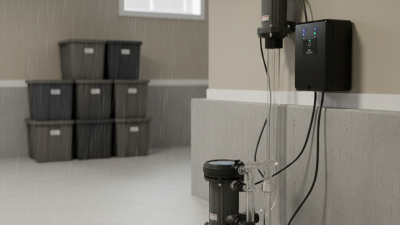
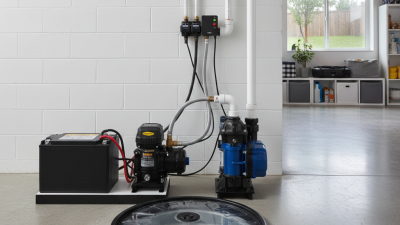
Wear gloves, eye protection, and a suitable mask during cutting or chemical application. Keep electrical tools away from standing water. Test the sump pump with a bucket of water, then check the discharge route. Inspect membranes, joints, and pump alarms every few months. Replace damaged components early. A backup power system may protect the basement during storms, but it also needs regular testing.

Global buyers should verify dimensions, material composition, load ratings, and installation instructions before purchasing. Shipping weight can make drainage products surprisingly expensive. Check voltage and plug requirements for pumps and alarms. Confirm that local building rules permit the planned drainage method. Qualified local contractors can identify soil and groundwater conditions that remote advice cannot fully assess. Product warranties may also exclude poor preparation, flooding beyond design limits, or incorrect installation. Specifications are useful, but field conditions remain the harder truth.