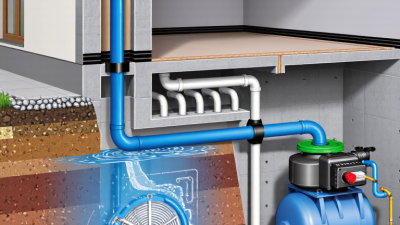
Why Is Basement Waterproofing Important?
A basement can look dry while hidden moisture quietly weakens its structure. Water may enter through foundation cracks, porous concrete, window wells, or poorly graded soil. After heavy rain, a damp smell, peeling paint, or a white powder called efflorescence may appear. These signs deserve attention, even when no puddle is visible.
Basement waterproofing helps control moisture before it damages walls, flooring, insulation, and stored belongings. Persistent dampness can also encourage mold growth and create uncomfortable indoor air. A reliable solution begins with a professional inspection. Experts should examine drainage, gutters, sump pumps, foundation joints, and the surrounding soil. The correct method depends on the source of the water, not merely its visible location.
Small details matter. A blocked downspout can send gallons of rainwater beside the foundation. A minor crack can widen during repeated freeze-thaw cycles. Interior sealants may reduce surface seepage, but they cannot always solve outside drainage problems. That distinction is easy to miss.
Good waterproofing is not a single product or guaranteed shortcut. It may involve grading improvements, exterior membranes, interior drainage systems, or sump pump protection. A qualified contractor should explain the options, limitations, maintenance needs, and expected costs clearly. Property owners should also verify experience, references, and applicable local requirements. Even careful work can need review after the next major storm. No basement stays perfect forever. Regular inspections remain a practical part of protecting the home, its air quality, and its long-term value.
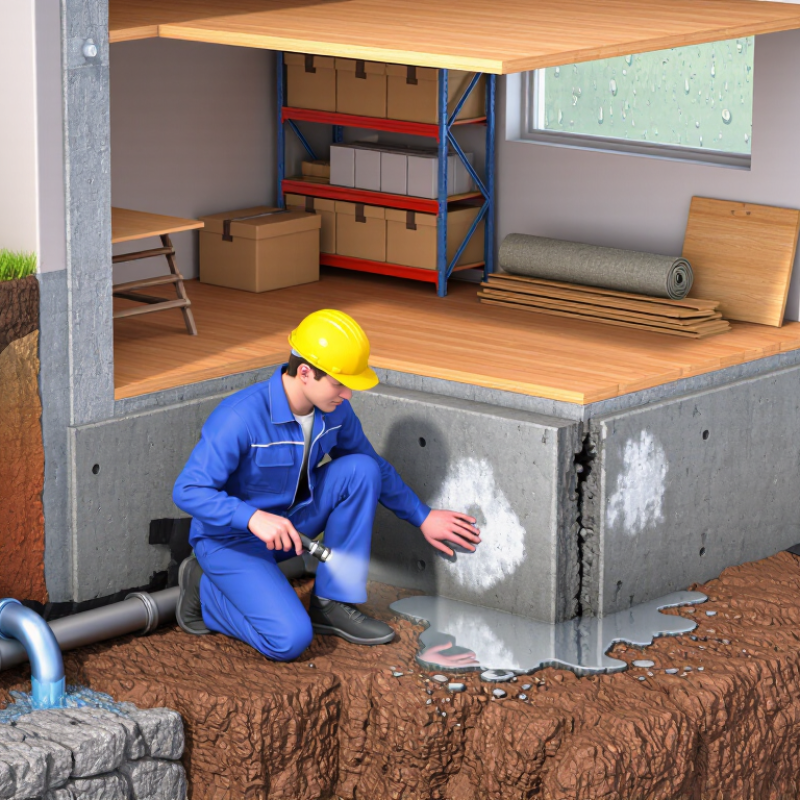
What Basement Waterproofing Is and How It Works
Basement waterproofing protects a lower-level room from groundwater, rain, and rising moisture. Water can enter through wall cracks, floor joints, window wells, or porous concrete. Over time, damp conditions may cause mold, peeling paint, damaged flooring, and unpleasant odors. More importantly, trapped moisture can weaken finishes and hide larger drainage problems. A dry basement begins with finding the water’s actual path.
Waterproofing works by blocking entry and controlling water pressure. Exterior systems may use a membrane, repaired wall cracks, and drainage pipes near the foundation. Interior systems often collect seepage through channels and direct it to a sump pump. Proper grading also moves rainwater away from the house. Sealants help, but they are not magic. A neglected gutter or blocked drain can defeat expensive repairs. I have seen small leaks return because the source was misunderstood.
Tips: Check gutters after heavy rain. Keep soil sloping away from foundation walls. Watch for white mineral stains, damp corners, and musty smells. Test the sump pump before storm season. Do not cover a wet wall with paint and assume the problem is solved. A qualified inspection can measure moisture and identify pressure points, although even professionals may need time to confirm hidden water routes. Minor cracks deserve attention before freezing weather expands them.
Why Is Basement Waterproofing Important?
Basement waterproofing helps prevent groundwater and surface water from entering through walls, floors, joints, and cracks. Controlling moisture is important because high indoor humidity can contribute to condensation and mold growth.
The U.S. Environmental Protection Agency recommends keeping indoor relative humidity ideally between 30% and 50% and below 60% to help limit condensation and mold-related moisture problems. Waterproofing works alongside ventilation and dehumidification by reducing the amount of water entering the basement in the first place.
Common Causes and Warning Signs of Basement Water Problems
Basement water problems often begin quietly. Rainwater may collect beside the foundation when gutters overflow or soil slopes toward the house. Cracks, failed window wells, and damaged drainage pipes can also create entry points.
The Insurance Information Institute reported that water damage and freezing caused about 21% of homeowners’ insurance claims from 2017 to 2021. The average claim exceeded $12,000. That figure shows the financial risk, but it does not describe every basement.
Watch the walls closely. A white, powdery deposit may indicate efflorescence from repeated moisture movement. Peeling paint, swollen trim, damp cardboard, and a musty odor are practical warning signs. Small puddles after storms deserve attention, even if they disappear by morning.
The Environmental Protection Agency advises keeping indoor humidity below 60%, ideally between 30% and 50%, to reduce mold growth. I have found that homeowners often notice the smell before seeing the water. That detail is easy to dismiss.
Tips: Check gutters and downspouts after heavy rain. Keep discharge points several feet from the foundation. Test the sump pump before wet weather arrives. Do not seal an active crack without identifying the water source. A qualified waterproofing professional can inspect grading, drainage, wall movement, and plumbing separately. Photos taken during rainfall can help explain intermittent leaks. DIY repairs sometimes hide symptoms. That is where judgment matters.
Structural, Health, and Property Risks of Basement Moisture
Why Is Basement Waterproofing Important?
Structural, Health, and Property Risks of Basement Moisture
Water in a basement rarely stays harmless. It can enter through wall cracks, floor joints, or poorly graded soil. Persistent moisture increases hydrostatic pressure against foundation walls. Over time, masonry may bow, crumble, or develop wider cracks. Wooden framing can soften near damp concrete. A small stain is not always small.
Damp rooms also change indoor air quality. Mold can grow behind stored boxes, insulation, and wall finishes. Spores and musty odors may aggravate allergies or asthma. Condensation creates similar problems, even without visible leaks. A reliable assessment checks humidity, drainage, plumbing, and ventilation. Professionals may use moisture meters, but readings need context. One wet reading does not prove a foundation failure. This is the part many homeowners miss.
Property risks are less visible but costly. Wet materials can damage flooring, electrical components, furniture, and personal records. Insurance coverage varies, so assumptions can become expensive. Effective waterproofing may involve exterior drainage, crack repair, sump equipment, or interior barriers. The correct solution depends on the water source, soil conditions, and foundation design. Relying on sealant alone can be a costly shortcut. I would not ignore a basement that smells damp after every storm. Documenting dates, odors, stains, and rainfall gives an inspector useful evidence. Yet inspections are not perfect; hidden cavities can escape an initial check.
Main Basement Waterproofing Methods and Their Applications
Why Is Basement Waterproofing Important?
Main Basement Waterproofing Methods and Their Applications
Basement waterproofing protects more than stored furniture. It helps control mold, concrete damage, unpleasant odors, and indoor humidity. Water can enter through wall cracks, floor joints, windows, or hydrostatic pressure beneath the slab. A small damp mark deserves attention. It may indicate a larger drainage problem.
Exterior waterproofing is suitable when soil allows excavation around the foundation. Contractors expose the wall, repair cracks, apply a waterproof membrane, and install drainage protection. This method addresses water before it reaches the basement. It often works well for recurring wall leaks, but access, landscaping, and excavation costs require careful planning. Not every property can support it.
Interior drainage systems offer another practical application. A perimeter channel can collect seepage beneath the floor and direct it toward a sump basin. The pump then removes water through a controlled discharge line. This approach suits finished basements or homes where exterior excavation is impractical.
A battery backup matters during storms. Pumps can fail.
Crack injection is more targeted. Flexible materials may seal narrow foundation cracks, while structural movement requires professional assessment. Interior sealants can reduce minor moisture, but they should not replace drainage when pressure remains high.
A proper inspection should check grading, gutters, downspouts, plumbing, and wall movement. Waterproofing is sometimes treated as a single repair. That is a mistake. The best method depends on the water source, foundation type, local soil, and the building’s actual condition.
How to Assess, Maintain, and Improve Basement Waterproofing
Why Is Basement Waterproofing Important?
How to Assess, Maintain, and Improve Basement Waterproofing
Basement waterproofing protects more than stored furniture. Persistent moisture can damage masonry, weaken finishes, and encourage mold growth. Assess the space after heavy rain, not only on dry days. Check wall corners, floor joints, window wells, and pipe openings for staining or dampness. A musty smell also deserves attention. Use a simple moisture meter, then record readings in the same locations. This creates useful evidence over time. Do not rely on appearance alone.
Tips: Keep gutters clear and extend downspouts away from the foundation. Inspect exterior soil for low spots that direct water inward. Test the sump pump before storm season. Clean its intake screen carefully. A battery backup may help during power failures. Small cracks should be documented before repair. Some cracks are harmless, but movement can change their meaning.
Maintenance should be regular, practical, and recorded. Seal suitable gaps with materials designed for masonry, while avoiding quick fixes over active leaks. Improve grading gradually, because sudden soil changes may redirect water elsewhere. If water enters repeatedly, ask a qualified waterproofing professional to inspect drainage, wall pressure, and foundation movement. Request clear findings and repair options. I used to think a dry wall meant the problem was solved. That assumption can fail after one severe storm. Inspect again.
Why Is Basement Waterproofing Important? - How to Assess, Maintain, and Improve Basement Waterproofing
| Assessment Dimension | What to Check | Practical Benchmark or Warning Sign | Recommended Action | Suggested Frequency |
|---|---|---|---|---|
| Indoor Humidity | Measure relative humidity with a digital hygrometer. | Indoor relative humidity is generally best kept between 30% and 50%. Persistent readings above 60% increase the risk of condensation and mold growth. | Use a dehumidifier, improve air circulation, repair water entry, and confirm that exhaust systems discharge outdoors. | Check weekly during humid seasons. |
| Foundation Walls and Floor | Look for damp patches, water stains, efflorescence, peeling paint, cracks, or musty odors. | Active leaks, recurring dampness, or white mineral deposits indicate moisture movement through masonry or concrete. | Document the location and timing of moisture. Seal minor non-structural cracks only after identifying the water source; obtain a professional evaluation for structural cracks or movement. | Inspect seasonally and after heavy rain. |
| Gutters and Downspouts | Check for blockages, leaks, overflowing gutters, and downspouts that discharge next to the foundation. | Roof runoff should be directed away from the foundation and should not create pooling beside exterior walls. | Clean gutters, repair joints, and extend downspouts to a suitable discharge area in accordance with local requirements. | Clean at least twice a year and after major storms. |
| Ground Slope | Observe whether soil, paving, or landscaping slopes toward or away from the foundation. | A commonly used drainage principle is to slope finished ground away from the structure; exact requirements vary by local building codes and site conditions. | Correct low areas and maintain positive drainage without directing water onto neighboring property. | Inspect annually and whenever landscaping changes. |
| Sump Pump | Test the pump, float switch, discharge pipe, check valve, and backup power arrangement. | The pump should start automatically, remove water efficiently, and discharge where it cannot flow back toward the foundation. | Pour water into the pit to test operation, clear debris, inspect the discharge route, and consider a battery backup where flooding would cause serious damage. | Test monthly during wet periods and before severe weather. |
| Plumbing and Utility Penetrations | Inspect water supply lines, drains, washing-machine connections, water heaters, and pipe penetrations. | Drips, corrosion, damp insulation, or staining can indicate an internal plumbing leak rather than groundwater intrusion. | Repair leaks promptly, replace damaged fittings, and keep storage away from vulnerable equipment. | Inspect every three months and after plumbing work. |
| Windows and Window Wells | Check window seals, frames, wells, covers, and drainage at below-grade windows. | Standing water or debris in a window well can allow water to reach the window or wall. | Clean wells, maintain functional drains, repair seals, and install properly fitted covers where appropriate. | Inspect twice a year and after heavy rain. |
| Drainage System | Determine whether the property has perimeter drains, a French drain, an interior drainage channel, or another water-management system. | Repeated seepage despite surface-water corrections may indicate inadequate, blocked, or damaged drainage. | Have the system evaluated before excavating or installing new components; drainage design depends on soil, groundwater, foundation type, and local conditions. | Review after recurring leaks or major site changes. |
| Mold and Air Quality | Look for visible mold, persistent odors, damp materials, and condensation on cold surfaces. | Visible growth or recurring musty odors indicate that moisture control and material drying are needed. | Fix the moisture source first, dry affected materials promptly, and use appropriate professional remediation for extensive contamination. | Check monthly and whenever odors appear. |
| Waterproofing Materials | Inspect exterior coatings, interior sealants, membranes, and repaired joints for deterioration. | Blistering, delamination, open joints, or failed sealant can reduce water resistance. | Use products compatible with the substrate and moisture condition; do not rely on interior coatings to correct exterior drainage problems. | Inspect annually and before finishing the basement. |
| Emergency Preparedness | Review shutoff locations, pump alarms, backup power, emergency contacts, and storage practices. | Critical equipment and important documents should not be stored directly on the basement floor. | Elevate valuables, label shutoff valves, maintain alarms, and keep a safe route to electrical and mechanical equipment. | Review twice a year and before storm season. |
Note: Waterproofing recommendations depend on foundation construction, soil conditions, groundwater levels, climate, and local building requirements. Structural movement, electrical hazards, sewage backup, or significant flooding should be assessed by a qualified professional.
Related Posts
-
10 Best Basement Waterproofing Systems for Global Buyers
-
2026 Top Basement Waterproofing Products for Global Buyers
-
2026 How to Back Up Sump Pump for Homeowners Guide?
-
How to Choose the Best Basement Waterproofing Systems for Your Home?
-
Top Sump Pump System Benefits for Global Buyers Guide?
-
10 Essential Tips for Choosing a Battery Backup Sump Pump