How to Choose the Best Battery Sump Pump?

Choosing the best battery sump pump is less about chasing the highest horsepower and more about matching protection to your basement’s real risks. A finished basement, a shallow pit, or a neighborhood with frequent outages can change the decision. Water moves quickly. A silent pump can become the most important appliance in the room.

The Insurance Information Institute, using ISO data from 2017–2021, reports that water damage and freezing represented about 29% of homeowners insurance claims. The average claim exceeded $12,500. That figure makes backup planning practical, not excessive. NOAA’s billion-dollar disaster data also shows that severe storms and flooding continue creating costly interruptions across the United States. These reports do not prove every home needs the same system. They do show why a battery sump pump deserves careful evaluation.

Look beyond gallons per hour. Check pumping capacity at the actual discharge height, battery chemistry, runtime, recharge time, alarm functions, and replacement costs. A pump rated at the outlet may move much less water through a long, narrow pipe. That detail is easy to miss. Confirm compatibility with the sump basin and existing check valve. Look for recognized safety certification, clear installation instructions, and a warranty supported by the manufacturer. A sealed lead-acid battery may cost less initially, while lithium systems can offer lighter weight and longer service life. Neither is automatically best. Test the system before storm season, inspect terminals, and replace aging batteries. A backup is not magic. It can fail when neglected, especially during a multi-hour outage. This guide weighs those practical compromises, helping homeowners choose dependable protection rather than impressive specifications alone.
How to Choose the Best Battery Sump Pump?

Understanding How a Battery Sump Pump Works

How to Choose the Best Battery Sump Pump?

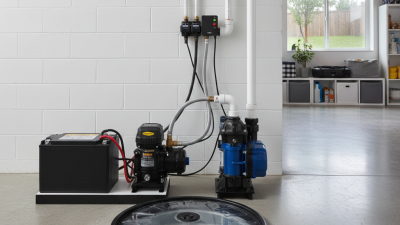
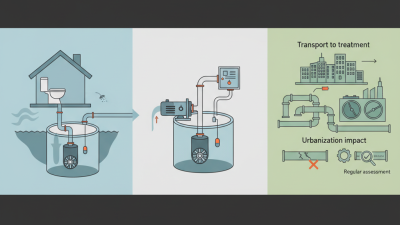
A battery sump pump works as a separate emergency water-removal system. When rising water lifts the float switch, the pump starts automatically. Its battery sends direct current to the motor, even when household power fails. A check valve helps stop discharged water from flowing backward. The system sounds simple. The details matter.

FEMA’s Cost of Flooding estimates show that one inch of water can cause about $25,000 in damage to a 2,000-square-foot home. NOAA also recorded 27 U.S. billion-dollar weather and climate disasters in 2024. These figures make backup capacity worth checking carefully. Measure the vertical lift, discharge-pipe length, and expected flow rate. A pump rated for high flow may move far less water through a long, narrow pipe. This is a common selection mistake.

Choose a battery with a stated amp-hour capacity and a tested runtime. Lead-acid batteries are familiar, but they need ventilation and regular inspection. Lithium-based batteries can be lighter, yet their control systems and charging requirements deserve attention. Test the float switch every few months. Simulate a power outage, then listen for uneven motor noise. My earlier checklist was too simple; runtime alone did not reveal blocked discharge lines or weak connections. A practical system needs an alarm, sealed terminals, and a manual test record. Reliability is built during quiet weather.

Assessing Your Basement’s Backup Pumping Needs

How to Choose the Best Battery Sump Pump?

Assessing Your Basement’s Backup Pumping Needs

Choosing a battery sump pump starts with understanding your basement’s actual risk. Check how often the primary pump runs during heavy rain. A pump that activates every few minutes needs stronger backup support. Note the pit’s water level, diameter, and available discharge route. These details affect performance more than advertised horsepower.

Measure the vertical distance from the pump to the discharge outlet. This is the pump’s head height. A model may move thousands of gallons per hour at low height, but far less through a long or narrow pipe. Select a unit that meets your required flow at the measured height. Add a high-water alarm, because silent failure can damage flooring, walls, and stored belongings. The alarm should remain audible from living areas.

Battery capacity also deserves careful attention. A larger battery can provide longer protection, but runtime depends on inflow, pump cycling, and pipe resistance. Deep-cycle marine batteries are commonly used for this purpose, provided the system supports them safely. Keep terminals clean and inspect the battery regularly. Test the backup during a controlled water fill, not only after a storm begins. That test may reveal a weak connection or an incorrectly positioned float switch. No estimate is perfect. Basement conditions change, and an unusually wet season can exceed expectations. A licensed professional can verify discharge sizing and electrical safety when the system seems complex.

How to Choose the Best Battery Sump Pump? - Assessing Your Basement’s Backup Pumping Needs

Use the following planning guide to match backup pumping capacity, battery storage, and alarm features to common basement conditions. Pump capacities should be compared at the actual discharge head rather than at zero lift.

Basement Condition Typical Water-Inflow Risk Recommended Backup Capacity at 10 ft Lift Suggested Battery Configuration Approximate Emergency Runtime* Priority Features
Low-risk basement Occasional seepage; low water table; little storm exposure 1,500–2,000 gallons per hour (GPH) 12 V, 75–100 Ah deep-cycle battery About 6–12 hours with intermittent pumping Automatic activation, audible alarm, battery test indicator
Moderate-risk basement Seasonal groundwater; moderate rainfall; primary pump runs periodically 2,000–3,000 GPH 12 V, 100 Ah deep-cycle battery About 4–10 hours with intermittent pumping High-water alarm, charger status display, check valve, corrosion-resistant components
High-risk basement High water table; frequent flooding; heavy or prolonged storms 3,000–4,000+ GPH 12 V, 100–200 Ah battery capacity or dual-battery system About 3–8 hours with intermittent pumping Independent alarm, remote notification, charger fault alert, secondary pump, watertight battery box
Power-outage-prone property Frequent outages during storms or unreliable utility service Match the primary pump’s measured output at 10 ft lift 100 Ah minimum; add capacity based on expected outage duration Size for the longest likely outage, not the average outage Automatic charger, power-failure alarm, battery-health monitoring, manual override
Large or finished basement Higher financial risk from flooding; multiple rooms or finished flooring Primary pump plus a separate backup pump rated at 2,000–3,000+ GPH at 10 ft lift 100–200 Ah total battery capacity Use a runtime target of at least 8 hours when practical Separate discharge path where feasible, dual alarms, remote monitoring, leak sensors

Key sizing checks:

  • Measure the vertical distance from the pump to the discharge outlet; flow normally decreases as lift height and pipe friction increase.
  • Check the pump curve for output at the actual lift instead of relying only on the advertised maximum GPH.
  • Estimate battery needs from the pump’s running amperage, expected operating time, battery voltage, and an allowance for efficiency losses.
  • Use a deep-cycle battery designed for repeated discharge, and install it in a ventilated, protected location according to local electrical requirements.
  • Test the backup system at least twice a year and replace the battery according to its tested condition rather than using an assumed service life.

*Runtime figures are planning ranges only. Actual runtime varies with pump amperage, water inflow, discharge height, pipe size, battery age, temperature, battery type, and cycling frequency.

Comparing Battery Types, Capacity, and Runtime

Choosing the best battery sump pump starts with battery chemistry, not advertising claims. The U.S. Department of Energy’s Energy Storage Grand Challenge Roadmap reports typical lithium-ion round-trip efficiency near 85–95%, compared with roughly 70–85% for lead-acid systems. These figures describe storage systems, not every sump pump. Still, they show why lithium batteries often provide more usable energy from the same rating. Lead-acid batteries remain practical for lower initial cost, but weight, cold temperatures, and aging can reduce performance. That is easy to overlook.

Compare capacity in both amp-hours and watt-hours. Use this estimate:

runtime equals voltage multiplied by amp-hours, divided by pump watts.

A 12-volt, 100Ah battery stores about 1,200 watt-hours nominally. If the pump draws 100 watts, the ideal runtime is 12 hours. With 80% usable energy and 85% controller efficiency, the estimate falls to about 8.2 hours. Not a promise. Water height, cycling frequency, cable resistance, and battery age can shorten it further. A pump running every few minutes may exhaust a large battery faster than expected.

Lithium-ion usually offers lower weight and better usable capacity, while lead-acid can tolerate familiar charging routines and remains widely recyclable. The Battery Council International’s national recycling data has reported lead-battery recovery rates around 99% in the United States. Check starting current, recommended discharge depth, charging temperature, and replacement availability. I would also test the pump during a controlled water rise, because a label cannot reveal a weak float switch or a failing charger.

Evaluating Pump Performance, Installation, and Reliability

Choosing the best battery sump pump requires more than comparing discharge rates. Performance depends on lifting height, pipe length, and backup capacity. A pump rated for high flow may move much less water through a tall discharge line. Measure the vertical distance from the pit to the outlet. Then check the pump’s flow at that height.

Installation details affect performance every day. The pump should stand upright on a stable base, with its intake clear of gravel and sediment. A properly fitted check valve prevents water from flowing back into the pit. Use a discharge pipe with few sharp bends. Each bend adds resistance. The battery enclosure also needs a dry, ventilated location. Follow local plumbing and electrical requirements.

Reliability comes from testing, not promises. I recommend lifting the float by hand and checking whether the pump starts smoothly. Test the alarm separately. Inspect terminals for corrosion, especially in damp basements. Battery age matters, even when the indicator looks normal. A sealed battery may need less maintenance, but it still needs scheduled replacement. I once ignored a weak alarm tone during a routine check. That small warning became a costly lesson. Keep a written test record, although many homeowners forget this simple step. Choose a model with clear service access, replaceable components, and a readable battery status display. Capability matters. So does honest maintenance.

Choosing Safety Features, Maintenance Needs, and Total Cost

Choosing a battery sump pump requires more than comparing horsepower or purchase prices. Safety features deserve close attention. Look for a clear alarm, automatic activation, and a reliable float switch. A check valve can reduce backflow when the pump stops. I once trusted a backup pump without testing its alarm. That assumption was wrong. During a power outage, a silent warning system offers little protection. Choose a model with a visible status indicator and enough battery capacity for several hours of operation.

Maintenance also affects real ownership costs. Inspect the pump, discharge pipe, and battery terminals every few months. Remove dirt and small stones from the pit. Test the float switch by adding water slowly. Battery replacement is easy to forget. Record its installation date near the control unit. Battery life depends on temperature, charging habits, and outage frequency. Read the service instructions carefully. Small differences matter.

Tips: Calculate the total cost before buying. Include the pump, battery, charger, alarm, replacement parts, and future labor. Ask how often the battery needs testing. Check whether common parts are easy to find. Keep a backup battery if flooding would damage valuable equipment. Do not rely on advertised runtime alone. Your basement conditions may differ.